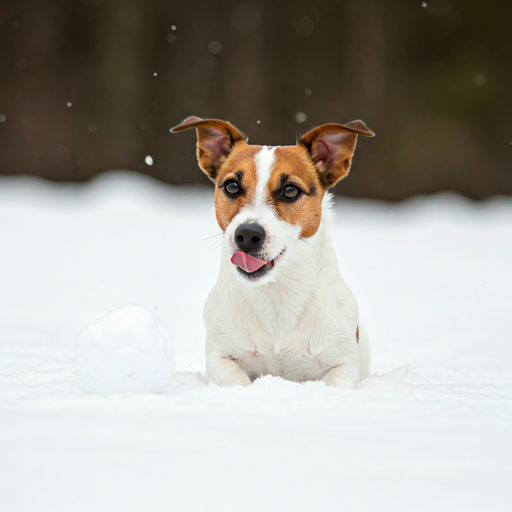


Keeping Your Canine Companion Cozy: A Guide to Winter Dog Safety
Winter can be a wonderland for humans, but for our furry friends, it brings a unique set of challenges. As the temperatures drop and the snow begins to fall, it's essential to adjust your dog's routine and take extra precautions to ensure their safety and well-being. Here's a comprehensive guide to keeping your dog happy and healthy through the colder months.
Paws-itive Protection: Choosing the Right Sidewalk Salt
One of the biggest hazards for dog paws in winter is sidewalk salt. Many traditional de-icing products contain chemicals like calcium chloride or sodium chloride, which can be irritating and even toxic if ingested. These salts can cause painful cracks and burns on paw pads.
The Solution: Opt for pet-safe de-icers! Look for products that are explicitly labeled as "pet-friendly" or "paw-safe." Many of these use propylene glycol or other less harmful alternatives. Even with pet-safe options, it's a good idea to wipe your dog's paws after walks to remove any residue.
Fashion and Function: Boots and Jackets
Just like humans, some dogs need extra layers to brave the winter chill.
- Dog Boots: These aren't just a fashion statement! Boots provide a protective barrier against ice, snow, salt, and harsh chemicals. They can also prevent ice balls from forming between paw pads, which can be incredibly uncomfortable. If your dog is new to boots, introduce them gradually with positive reinforcement.
- Dog Jackets/Sweaters: Short-haired breeds, puppies, senior dogs, and those with underlying health conditions are particularly susceptible to the cold. A well-fitting dog jacket or sweater can provide much-needed insulation, keeping their core body temperature stable. Look for waterproof or water-resistant options for snowy or rainy days.
Watch the Clock: Limiting Outdoor Exposure
While many dogs love to play in the snow, prolonged exposure to freezing temperatures can lead to hypothermia and frostbite.
- Know Your Dog: Every dog is different. A thick-coated husky will tolerate the cold much better than a small chihuahua. Pay attention to your dog's body language. Shivering, reluctance to walk, whining, or lifting paws are all signs they're too cold.
- Short and Sweet Walks: On very cold days, keep walks shorter and more frequent. Prioritize potty breaks and quick bursts of activity over long strolls.
- Never Leave Them Unattended: Do not leave your dog outside for extended periods, especially unsupervised, in cold weather. This includes leaving them in a car, which can quickly become an icebox.
Cabin Fever Cures: Indoor Enrichment
When the weather forces more indoor time, it's crucial to keep your dog mentally and physically stimulated to prevent boredom and destructive behaviors. Toys, lick mats, puzzles, and cuddles are all great options for helping your dog make it through the snowiest of days!